
Most drivers don’t know how much the first hours and days after a car accident can matter until they’re already dealing with a claim. Evidence can disappear, injuries may become clearer with time, insurance coverage can be more complicated than expected, and early assumptions about fault aren’t always the final word.
You can drive for 20 years without ever having to learn how an injury claim works.
Then, in a few seconds, you’re expected to know what to photograph, what information to collect, what to say, who to call and whether the pain you’re feeling is something you should be worried about.
Most people learn these things after the accident, when the decisions have already started to matter.
After years of handling Missouri car accident claims, there are a few things we repeatedly wish drivers had known before they ever needed us.
Injured in a Missouri Car Accident? Talk to Roach Law
I Wish I Had Known the Evidence Starts Disappearing Immediately
A car accident scene is temporary.
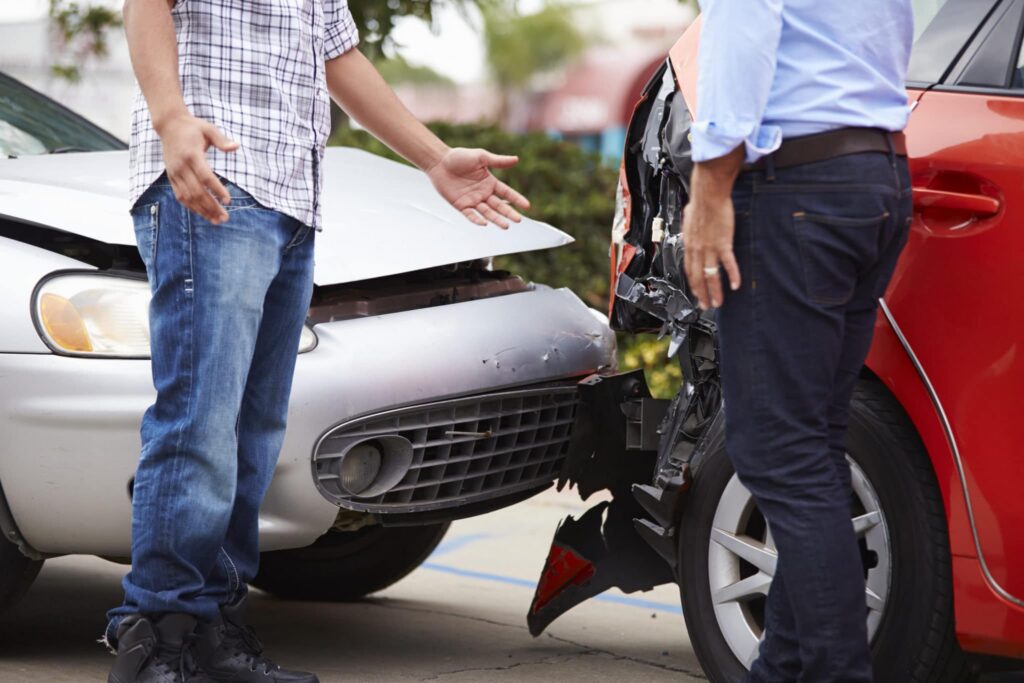
Vehicles are moved. Debris is cleared. Witnesses leave. Road and weather conditions change. Nearby surveillance footage may eventually be overwritten. Damaged vehicles can be repaired, sold or disposed of.
That doesn’t mean you need to become an investigator while standing on the side of the road. Your health and immediate safety come first.
But if you’re able to do so safely, the information you preserve at the scene may help establish what happened later.
Useful evidence can include:
- Photographs or video of the vehicles and their positions
- Damage to each vehicle
- Skid marks, debris and other physical evidence
- Traffic lights, stop signs and other road controls
- Road, lighting and weather conditions
- Visible injuries
- The other driver’s contact and insurance information
- Names and contact details for witnesses
One of the frustrating things about evidence is that you often don’t know which photograph, witness or detail will become important until much later.
5 Common Mistakes After a Missouri Car Accident
I Wish I Had Known Feeling Okay at the Scene Didn’t Settle the Injury Question
The way you feel immediately after a collision doesn’t necessarily tell you what the next day or week will look like.
Some injuries are obvious at the scene. Other symptoms may become apparent or change over time.
That’s one reason to avoid making sweeping statements about your condition before you really know how you’re doing.
If you need emergency care, get it. If symptoms appear, persist or worsen after you leave the scene, seek appropriate medical attention and accurately explain what happened and what you’re experiencing.
There is an important difference between saying:
“I don’t think I need an ambulance right now.”
and deciding, minutes after a crash:
“I’m completely fine.”
You don’t need to diagnose yourself at the roadside.
I Wish I Had Known I Didn’t Need to Guess About Fault
Immediately after a collision, people often try to make sense of what just happened.
You may remember one part of the crash clearly and be unsure about another. You may not have seen the other vehicle until the moment of impact. You may simply be shaken.
You do not need to fill in the blanks.
Exchange the required information, cooperate with law enforcement and describe what you actually observed. But don’t feel pressured to reconstruct the entire accident or decide who was legally responsible while you’re still standing beside the road.
Being polite doesn’t require you to speculate.
And saying something in the confusion after a collision doesn’t necessarily resolve the legal question of fault either.
The evidence may eventually tell a more complete story than anyone could see from one position at the scene.
I Wish I Had Known the Police Report Was Important — But Wasn’t the Whole Case
A police crash report can preserve useful information about an accident, including the people and vehicles involved, the location, witness information, statements and observations made during the initial investigation.
It can be an important piece of evidence.
But it isn’t necessarily the only evidence.
A later investigation may also consider:
- Photographs and video
- Witness accounts
- Vehicle damage
- Surveillance or dashcam footage
- Medical records
- Electronic or vehicle data where relevant
- Roadway evidence
- Other information that helps reconstruct what happened
So neither of these assumptions is particularly helpful:
“The report says the other driver caused it, so nothing else matters.”
or
“The report blames me, so I can’t possibly have a claim.”
A police report is part of the picture. It isn’t always the entire picture.
I Wish I Had Known the Other Driver’s Insurance Company Was Investigating a Claim
When another driver’s insurance company contacts you, it may sound like a straightforward administrative conversation.
But the insurer is also evaluating a claim being made against its insured.
That distinction matters.
An adjuster may ask about the accident, your injuries, medical treatment, prior conditions or other information relevant to the claim. You may also be asked for a recorded statement, documents or authorizations.
You can communicate honestly without treating the other driver’s insurer as your personal adviser.
And you don’t need to guess when you don’t know an answer.
Before providing broad authorizations, agreeing to a recorded statement you don’t understand or accepting a settlement, make sure you understand what is being requested and what it could mean for your claim.
7 Things Insurance Companies Don’t Tell You After an Accident
I Wish I Had Understood My Own Insurance Before I Needed It
After a collision caused by someone else, it’s natural to focus entirely on their insurance.
But your own policy can matter too.
Under Missouri Revised Statutes §379.203, applicable Missouri automobile liability policies must include uninsured-motorist coverage, subject to the statute’s requirements. Depending on your policy and the circumstances of the collision, other coverage may also become relevant.
The difficult time to discover what your insurance actually covers is after a serious accident.
Before you need it, take a look at your declarations page and policy. Find out what coverage you purchased, what the limits are and what terms such as UM, UIM and medical payments coverage mean in your particular policy.
You may never need to use that knowledge.
That’s the best-case scenario.
I Wish I Had Known Fault Could Be More Complicated Than It Looked
Some collisions appear straightforward.
Others become more complicated as additional evidence emerges.
A multi-vehicle crash may involve the conduct of several drivers. A commercial vehicle collision may raise questions about parties beyond the person behind the wheel. Witnesses or video may reveal something that wasn’t obvious at the scene.
And sometimes an injured person is accused of contributing to the accident themselves.
That doesn’t mean you should assume there is no claim.
Missouri law can allocate responsibility among parties in tort actions, and the effect of fault depends on the circumstances of the case.
We’ve explored the shared-fault issue in more detail separately rather than trying to turn this article into a comparative-fault lesson.
Who Pays When More Than One Driver Is at Fault?
The important thing to know before an accident is simpler:
Don’t decide the entire case based on what the collision looked like in its first five minutes.
I Wish I Had Known a Quick Settlement Wasn’t Necessarily the Same as a Good Resolution
After an accident, getting the claim over with can sound incredibly appealing.
There may be medical bills to pay, a damaged vehicle, missed work and an insurance company ready to discuss money.
A quick resolution isn’t automatically a bad one.
But a settlement resolves the claim it covers. Before agreeing to one, you should understand what you’re resolving and what losses you’re trying to account for.
That can be difficult when you don’t yet know how long treatment will last, whether you’ll miss more work or how completely you’ll recover.
The point isn’t to delay a claim for the sake of delaying it.
It’s to know what you’re agreeing to before you agree to it.
What We Wish More Drivers Knew Before They Ever Needed Us
After a crash, people understandably focus on whatever feels biggest in that moment: the damaged car, the pain, the missed shift or the call from the insurance company.
What becomes important later can be different.
A photograph you almost didn’t take.
A witness whose name you didn’t get.
Symptoms that weren’t obvious on day one.
Coverage in your own insurance policy you didn’t know existed.
A detail you thought didn’t matter.
You can’t prepare for every accident. But you can understand enough about what happens afterward to avoid learning everything while you’re already dealing with the consequences.
I Wish I Had Known I Didn’t Need Everything Figured Out Before Asking for Help
People sometimes delay speaking to a lawyer because they think they’re supposed to arrive with answers.
They don’t yet know who was legally at fault.
They don’t know whether their injuries are “serious enough.”
They don’t know which insurance company should pay.
They don’t know what the claim might be worth.
They aren’t even sure whether they need a lawyer.
Those are all reasonable things not to know.
A consultation is an opportunity to explain what happened, ask questions and understand what options may be available before deciding what to do next.
If cost is one of the things stopping you from asking, we’ve also explained how contingency fees work in our guide to the cost of hiring a personal injury lawyer in Missouri.
How Much Does a Personal Injury Lawyer Cost in Missouri?
9 Things You Should Know About a Free Lawyer Consultation
Frequently Asked Questions About What Happens After a Missouri Car Accident
1. What Information Should I Collect After a Car Accident?
If it is safe and you are physically able to do so, useful information can include photographs of the vehicles and scene, the other driver’s contact and insurance details, witness contact information and information about where and when the collision occurred. Your immediate health and safety should come first.
2. Should I Talk to the Other Driver’s Insurance Company?
You may need to communicate with an insurer during the claims process, but understand who the insurer represents and what information is being requested. You do not need to speculate about facts you don’t know or agree to something you don’t understand.
3. What if I Felt Fine After the Accident but Started Hurting Later?
Symptoms can change or become apparent after you leave the scene. If you develop symptoms or they persist or worsen, seek appropriate medical attention and accurately explain the accident and what you’re experiencing. Don’t ignore a medical concern simply because it wasn’t obvious immediately after the collision.
4. When Should I Speak to a Car Accident Lawyer?
There is no requirement that you already understand fault, insurance coverage or the value of your claim before speaking to a lawyer. If you’ve been injured and have questions about what happened, your rights or how an insurer is handling the claim, a consultation can help you understand your options.
You Don’t Have to Learn All of This the Hard Way
Nobody expects to need a car accident lawyer when they leave home in the morning.
But if a collision changes the rest of your day — or much more than your day — you don’t have to understand the entire claims process on your own.
Roach Law represents people injured in car accidents throughout Missouri. We can investigate what happened, help preserve relevant evidence, deal with insurance issues and explain what comes next.
Talk to Roach Law About Your Car Accident