

Intentional torts are civil wrongs that can result in a personal injury claim. Unlike accidents, intentional torts involve purposeful conduct rather than negligence or carelessness. At-fault parties can be held legally responsible for intentionally causing harm to victims. Understanding the common types of intentional torts helps victims protect their rights in personal injury claims.
Common Types of Intentional Torts in Missouri
Examples of intentional torts in Missouri include:
Assault and Battery
Assault in Missouri is an intentional act that makes another person reasonably fear immediate offensive conduct or harm. It does not require actual physical contact. Battery occurs when a person intentionally makes harmful or offensive physical contact with another person without that person’s consent.
Intentional Infliction of Emotional Distress
A person’s conduct is so outrageous and extreme that it results in severe emotional distress for another person. The behavior goes far beyond what is typically considered acceptable. Being rude, insulting, or hurtful does not rise to the level of a tort.
False Imprisonment
False imprisonment in Missouri means unlawfully restraining a person’s freedom of movement against their will. The restraint does not have to involve physical force; it can be done by threats, intimidation, or blocking exits.
Trespass
Trespass is entering or interfering with someone else’s property without permission.
Defamation
Defamation in Missouri is a false statement of fact about a person that is published to someone else and harms that person’s reputation. Spoken defamation is called slander, and written defamation is called libel.
Fraud
Fraud is intentionally making false statements to trick someone into giving up money or property. It also includes concealing information to cause another person to act against their best interests.
What Are the Required Elements for Liability in Intentional Tort Cases in Missouri?
In most Missouri intentional tort cases, the injured person must show that:
- The defendant intentionally performed the act;
- The act was voluntary;
- The act directly caused harm; and
- The plaintiff suffered real damages such as physical injury, emotional distress, or property loss.
Evidence is crucial in proving these elements.
Examples of evidence in an intentional tort case include:
- Witness statements
- Video footage
- Medical records
- Written communications
- Physical evidence
- Police and accident reports
Judges and juries determine whether the defendant acted intentionally and whether that action caused the harm based on the evidence. Working with an attorney early in the case can help preserve key evidence needed to prove your claim.
What Types of Damages Are Available for Intentional Torts?
Victims of intentional torts in Missouri may be able to recover several types of damages:
Compensatory Damages
Compensatory damages include economic and non-economic damages.
Examples include:
- Medical expenses
- Lost wages and loss of future earning capacity
- Pain and suffering
- Emotional distress and psychological harm
- Property damage
- Out-of-pocket expenses
- Impairments and disabilities
- Disfigurement and scarring
- Diminished quality of life and loss of enjoyment of life
The amount of damages depends on the facts of the case, including the severity of the injuries and the actual financial losses.
Punitive Damages
Punitive damages are not meant to pay you back for your losses. Instead, these damages are meant to punish especially bad conduct and to discourage similar behavior.
Courts may only award punitive damages if there is clear and convincing evidence that the defendant deliberately caused harm to the plaintiff. Punitive damages may also be awarded when a defendant acts with a flagrant and flagrant disregard for the safety of other people.
Deadline for Filing Intentional Tort Claims in Missouri
The statute of limitations varies depending on the type of intentional tort. It is best to consult an attorney as soon as possible to avoid missing the deadline. Missing the deadline to file a lawsuit can result in your case being dismissed.
Contact a Chesterfield Personal Injury Lawyer at Roach Law Car Accident Lawyers for a Free Consultation
If you were harmed by someone’s intentional actions, you may have the right to seek compensation. Proving an intentional tort requires strong evidence and a clear understanding of Missouri law, so it’s important to act quickly to protect your rights.
Contact a Chesterfield personal injury lawyer at Roach Law Car Accident Lawyers today for a free consultation. We’ll review your case, explain your options, and fight to hold the responsible party accountable.
For more information, contact the best personal injury lawyer in St. Louis, MO at Roach Law Car Accident Lawyers. We proudly serve all throughout Missouri, including St. Louis County, and we have offices in St. Louis, Chesterfield, Clayton, and Creve Coeur.
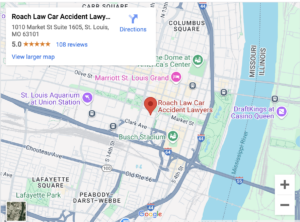
Roach Law Car Accident Lawyers – St. Louis Office
1010 Market Street, Suite 1605
St. Louis, Missouri
(636) 519-0085
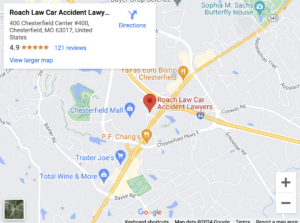
Roach Law Car Accident Lawyers – Chesterfield Office
400 Chesterfield Center Suite 600
Chesterfield, MO 63017
(636) 999-9587
Roach Law Car Accident Lawyers – Creve Coeur Office
11628 Old Ballas Rd, Suite 320
Creve Coeur, MO 63141
(314) 557-2869
Roach Law Car Accident Lawyers – Clayton Office
7733 Forsyth Blvd, Suite 1100
Clayton, MO 63105
(314) 804-4569