

Attorney-client privilege is a key legal protection, but many people do not fully understand what it covers. This rule helps ensure that people can speak openly with their lawyers without fear that their private conversations will be shared. Knowing how attorney-client privilege works can make a real difference in how a legal case is handled and protected.
Understanding when privilege applies to communications, when it does not, and how it can be lost can help you avoid mistakes that may hurt your case.
What Is Attorney-Client Privilege?
Attorney-client privilege is a legal rule that protects confidential communications between a client and their lawyer. Its purpose is to encourage honest and open discussions so lawyers can give accurate advice.
When privilege applies, a lawyer generally cannot be compelled to reveal what a client said in private during a consultation for legal advice. This protection exists in both civil and criminal cases and applies to conversations, emails, and other forms of private communication.
Attorney-client privilege focuses on communication, not on hiding facts. It protects what you say to your lawyer, not the existence of evidence itself.
When Does Attorney-Client Privilege Apply?
Attorney-client privilege only applies when certain conditions are met. Not every conversation with a lawyer is automatically protected.
Privilege usually applies when:
- There is a lawyer-client relationship or a clear attempt to seek legal advice.
- The communication is meant to be private.
- The purpose of the communication is legal advice.
If these elements are present, the communication is typically protected. Understanding these basics helps ensure that sensitive information stays private.
What Is Not Protected by Attorney-Client Privilege?
While attorney-client privilege is broad, it does have limits. Some communications are not protected under the law.
Examples of communications that may not be protected include:
- Conversations made in front of third parties
- Discussions unrelated to legal advice
- Statements made in furtherance of a future crime or fraud
- Facts or evidence that exist independently of the communication
These limits matter because many people accidentally assume everything they say is protected. Being aware of what is not covered helps avoid costly misunderstandings.
How Attorney-Client Privilege Can Be Waived
Attorney-client privilege can be lost or waived if it is not protected carefully. Waiver can happen on purpose or by accident.
Common ways privilege is waived include:
- Sharing legal advice with friends or family
- Forwarding emails from your lawyer to others
- Posting about legal advice on social media
- Giving others access to confidential legal communications
Once privilege is waived, the information may become available to the other side. That is why it is important to treat all communications with your lawyer as private.
How Attorney-Client Privilege Affects Your Case
Attorney-client privilege plays a major role in how a case is prepared and presented. When clients feel safe sharing information, lawyers can fully evaluate the situation and develop strong legal strategies.
If privilege is broken, private statements may be used against you. This can weaken your position, limit your options, or create new legal issues. Protecting privilege helps ensure your lawyer can advocate for you effectively.
In personal injury cases, where details about injuries, treatment, and events matter, clear and protected communication is especially important.
Best Practices for Protecting Attorney-Client Privilege
There are simple steps you can take to protect attorney-client privilege and your case.
Helpful practices include:
- Only discussing legal matters in private
- Avoiding sharing legal advice with others
- Keeping emails and documents secure
- Asking your lawyer if you are unsure about privilege
Being cautious and informed helps preserve confidentiality and strengthens your working relationship with your attorney.
Contact the St. Louis Personal Injury Lawyers at Roach Law Car Accident Lawyers for Help Today
Attorney-client privilege is a powerful protection, but only when it is properly understood and respected. Knowing how it works can help you avoid mistakes that may harm your case.
If you have questions about attorney-client privilege or need help with a personal injury matter, the St. Louis personal injury lawyers at Roach Law Car Accident Lawyers are here to help. We offer a free consultation and are ready to protect your rights. Contact us today to learn more about your options.
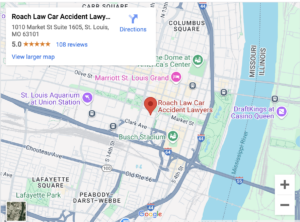
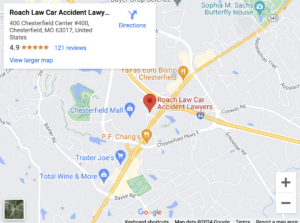
For more information, contact the best personal injury lawyer in St. Louis, MO at Roach Law Car Accident Lawyers. We proudly serve all throughout Missouri, including St. Louis County, and we have offices in St. Louis, Chesterfield, Clayton, and Creve Coeur.
Roach Law Car Accident Lawyers – St. Louis Office
1010 Market Street, Suite 1605
St. Louis, Missouri
(636) 519-0085
Roach Law Car Accident Lawyers – Chesterfield Office
400 Chesterfield Center Suite 600
Chesterfield, MO 63017
(636) 999-9587
Roach Law Car Accident Lawyers – Creve Coeur Office
11628 Old Ballas Rd, Suite 320
Creve Coeur, MO 63141
(314) 557-2869
Roach Law Car Accident Lawyers – Clayton Office
7733 Forsyth Blvd, Suite 1100
Clayton, MO 63105
(314) 804-4569