

The weight of a semi-truck can vary depending on the type of truck and what it’s carrying. On average, an empty semi-truck weighs between 25,000 and 35,000 pounds. When fully loaded, the maximum weight allowed on most U.S. highways is 80,000 pounds. These weight limits are important for safety and help prevent damage to roads and bridges, and violations can become a key issue in claims handled by a St Louis truck accident attorney.
Keep reading to learn more.
Factors That Affect Truck Weight
Semi-trucks are designed to haul loads that weigh several tons. They have massive engines and 18 wheels and tires. Each tire could weigh up to 150 pounds, depending on size and construction.
Some additional components that contribute to the weight of a semi-truck include the following:
Tractor
A semi-truck includes a tractor that pulls a trailer. The tractor holds the engine and the driver’s cab. Some tractors also include living quarters. These sleeper trucks feature a bed and may also include a refrigerator, cooktop, and cabinets, enabling the driver to reside in the truck during multi-day runs.
A tractor can weigh between 10,000 and 25,000 pounds. The size of the engine and the inclusion of sleeping quarters determine where the tractor falls in that range.
Trailer
A trailer carries the load. The configuration and purpose of the trailer will determine its weight. First, trailers have different lengths. A standard trailer is 53 feet long. However, tractors can also pull shorter trailers, called pup trailers, that are 28 feet long, or medium-length trailers that are 48 feet long.
Second, trailers have different purposes. A goosebed flatbed trailer typically has a lower weight, ranging from 4,700 to 10,400 pounds, when unladen. A dry van trailer is the common enclosed trailer you see every day on the road. These trailers typically weigh between 10,000 and 15,000 pounds.
In short, an unladen trailer can weigh anywhere from 8,000 to 16,000 pounds.
Load
State and federal laws do not regulate the unladen weight of semi-trucks. Thus, the weight of the tractor and unladen trailer does not determine whether a semi-truck can lawfully use Missouri’s roads and highways. Instead, the laws regulate the gross weight of a laden truck.
Despite the maximum weight of 80,000 pounds, a carrier can seek an overweight permit to carry loads of up to 160,000 pounds. Oversized load accidents can result from using roads or bridges with insufficient weight ratings, so the permit application clearly describes the route.
Size
Although they are not technically semi-trucks, trucking companies use other types of commercial vehicles, including the following:
- Vans
- SUVs
- Pickup trucks
- Single-axle box trucks
- Triple-axle box trucks
Box trucks are often used for moving and delivery purposes. They are regulated as commercial motor vehicles when they weigh over 10,000 pounds. However, they may or may not require the operator to have a commercial driver’s license to operate.
Contact Roach Law Car Accident Lawyers Today For A Free Consultation With A St. Louis Truck Accident Lawyer
Were you injured in a crash involving a semi-truck or commercial vehicle in Missouri? The legal team at Roach Law Car Accident Lawyers is here to protect your rights and help you pursue the compensation you deserve. Truck accident cases are complex, but we are here to help you.
For more information, contact the best personal injury lawyer in St. Louis, MO at Roach Law Car Accident Lawyers. We proudly serve all throughout Missouri, including St. Louis County, and we have offices in St. Louis, Chesterfield, Clayton, and Creve Coeur.
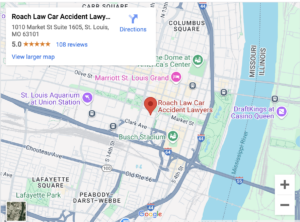
Roach Law Car Accident Lawyers – St. Louis Office
1010 Market Street, Suite 1605
St. Louis, Missouri
(636) 519-0085
Roach Law Car Accident Lawyers – Chesterfield Office
400 Chesterfield Center Suite 600
Chesterfield, MO 63017
(636) 999-9587
Roach Law Car Accident Lawyers – Creve Coeur Office
11628 Old Ballas Rd, Suite 320
Creve Coeur, MO 63141
(314) 557-2869
Roach Law Car Accident Lawyers – Clayton Office
7733 Forsyth Blvd, Suite 1100
Clayton, MO 63105
(314) 804-4569