

Trucking companies and commercial carriers are often required to carry special insurance endorsements, but many people outside the industry ask the same question: What is MCS-90?
The MCS-90 is a federally mandated endorsement that applies to certain motor carriers. It is not a type of insurance policy, but rather an addition to an existing policy that guarantees compensation to the public in case of a crash involving a commercial vehicle.
Understanding how the MCS-90 works is important for injured victims, insurance providers, and trucking companies alike. This endorsement is key in handling compensation when an accident involves a covered commercial carrier.
The Purpose of the MCS-90
The MCS-90 is required under federal law by the Federal Motor Carrier Safety Administration (FMCSA). It ensures that motor carriers can pay for damages caused by their vehicles, even if their insurance policy does not specifically cover the event that caused the loss.
In simple terms, the MCS-90 serves as a financial safety net for the public. If a motor carrier is responsible for an accident and the insurer tries to deny the claim based on policy exclusions, the MCS-90 obligates the insurer to step in and pay up to the federally required coverage limits anyway.
Once the claim is paid, the insurer can later seek reimbursement from the motor carrier, but the injured party still receives compensation without delay.
When Is the MCS-90 Required?
The MCS-90 endorsement is required when:
- A carrier is operating commercial vehicles in interstate commerce
- The vehicles involved are used to transport property or passengers for hire
- The company is subject to FMCSA regulations
- The carrier must meet minimum levels of public liability coverage
Public liability coverage includes bodily injury, property damage, and environmental restoration.
The amount required depends on the type of cargo and vehicle:
- $750,000 for general freight
- $1,000,000 for hazardous materials
- $5,000,000 for certain highly dangerous or toxic materials
If a carrier operates solely within one state and is not engaged in interstate commerce, the MCS-90 may not apply. However, many states have adopted similar requirements under their own laws.
What Does the MCS-90 Actually Cover?
The MCS-90 does not add new types of coverage to an insurance policy. Instead, it creates a legal obligation for the insurer to pay claims that might otherwise be denied.
This applies only when:
- The injury or damage arises from the use of a commercial motor vehicle
- The carrier is legally liable for the damage
- The policy would have excluded the claim but for the MCS-90
Examples might include accidents involving excluded drivers, improper cargo, or unapproved routes. If someone is injured or property is damaged, the MCS-90 prevents the insurer from avoiding payment based on technicalities.
What the MCS-90 Does Not Do
There are limits to what MCS-90 covers.
It does not:
- Apply to vehicles not subject to FMCSA jurisdiction
- Protect the motor carrier from financial loss (the insurer can seek reimbursement)
- Guarantee payment beyond federal minimum coverage amounts
- Replace the need for valid liability insurance
It’s also important to understand that the MCS-90 protects the public, not the insured motor carrier. That distinction affects how claims are handled and who ultimately bears the financial burden.
Why the MCS-90 Matters After a Truck Accident
If you’ve been injured in a crash involving a commercial truck, the presence of an MCS-90 endorsement can be critical. In some cases, the truck’s insurer may argue that the policy doesn’t cover the event. But if the policy includes the MCS-90 (and the vehicle was engaged in interstate commerce), the insurer may still be legally required to pay.
Injury victims should:
- Request a copy of the carrier’s Certificate of Insurance
- Ask whether the policy includes an MCS-90 endorsement
- Work with an attorney familiar with federal trucking regulations
Understanding the scope and limits of MCS-90 can make the difference between full compensation and a denied claim.
Contact the St. Louis Truck Accident Lawyers at Roach Law Car Accident Lawyers for Help Today
The MCS-90 is a federally required endorsement that ensures motor carriers are financially responsible for injuries and property damage they cause, even when the insurance policy wouldn’t normally cover the loss. If you’re involved in a truck accident, knowing whether the policy includes the MCS-90 can impact how your claim is handled and whether compensation is available.
At Roach Law Car Accident Lawyers, our St. Louis truck accident attorneys are ready to help you get the compensation you deserve after a crash. Contact us today for a free consultation.
For more information, contact the best personal injury lawyer in St. Louis, MO at Roach Law Car Accident Lawyers. We proudly serve all throughout Missouri, including St. Louis County, and we have offices in St. Louis, Chesterfield, Clayton, and Creve Coeur.
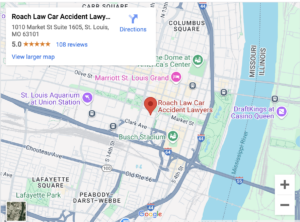
Roach Law Car Accident Lawyers – St. Louis Office
1010 Market Street, Suite 1605
St. Louis, Missouri
(636) 519-0085
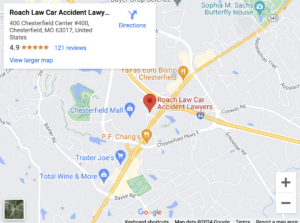
Roach Law Car Accident Lawyers – Chesterfield Office
400 Chesterfield Center Suite 600
Chesterfield, MO 63017
(636) 999-9587
Roach Law Car Accident Lawyers – Creve Coeur Office
11628 Old Ballas Rd, Suite 320
Creve Coeur, MO 63141
(314) 557-2869
Roach Law Car Accident Lawyers – Clayton Office
7733 Forsyth Blvd, Suite 1100
Clayton, MO 63105
(314) 804-4569