
Road rash is one of the most frequently misunderstood injuries following traffic accidents. While it is often associated with minor scrapes, road rash can be medically serious and, in some cases, permanently damaging.
In St. Louis, where motorcycle traffic, bicyclists, and pedestrians regularly share congested roadways, road rash injuries are a common result of sudden crashes, falls, and evasive maneuvers.
Learn important facts about road rash, how these injuries happen, and why they can have lasting effects after accidents in St. Louis, MO. Understanding how road rash occurs, its severity levels, potential complications, and recovery challenges can help injured individuals recognize when medical and legal support may be necessary.
What Is Road Rash?
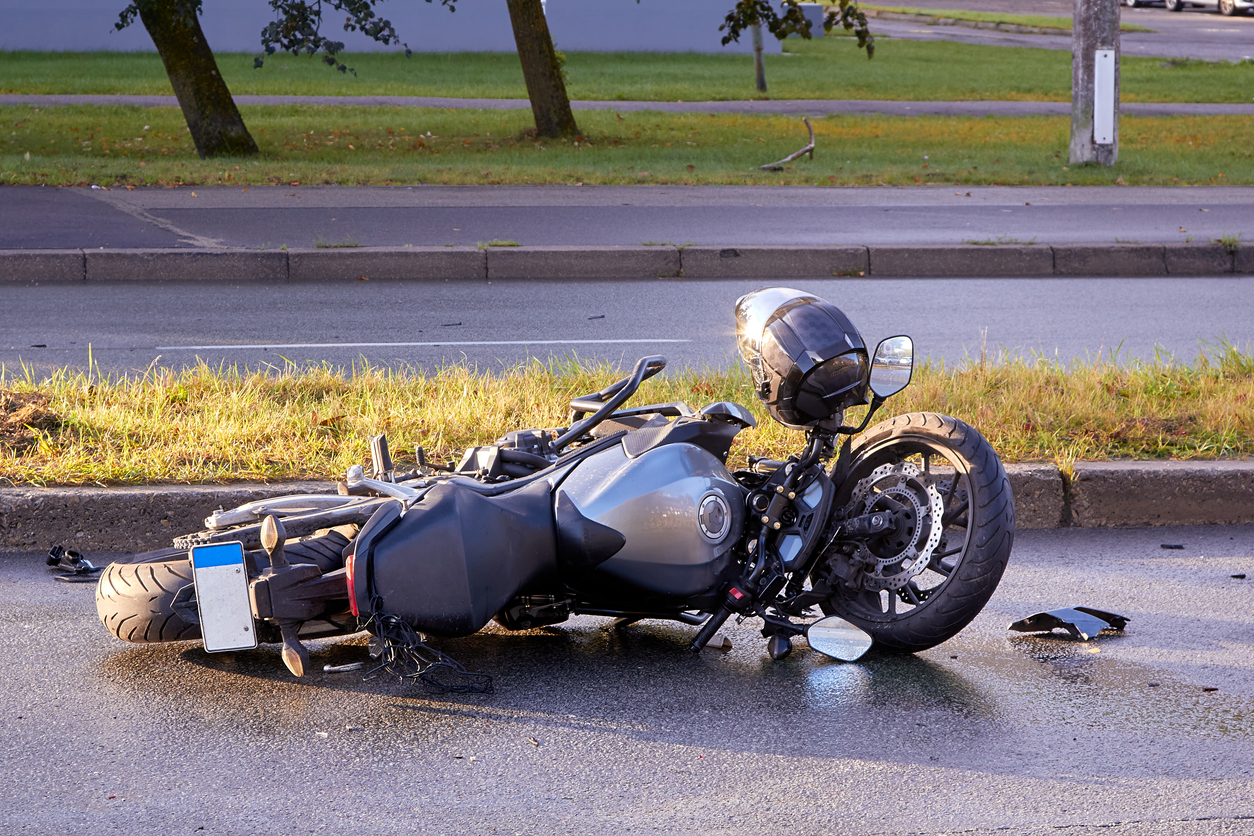
Road rash is a friction injury that occurs when skin comes into direct contact with pavement or another rough surface. It most commonly happens when a person is thrown from a motorcycle or bicycle and slides across the roadway.
These injuries vary widely in severity. While some cases involve superficial abrasions, others penetrate deep into the skin and underlying tissue, leaving the body vulnerable to infection, scarring, and long-term complications.
How Road Rash Commonly Happens in St. Louis
In St. Louis, road rash most often results from motorcycle crashes, bicycle accidents, and pedestrian collisions. Heavy traffic on interstates like I-70 and I-55, combined with dense surface-street traffic, increases the likelihood of sudden stops and loss of balance.
Construction zones, uneven pavement, loose gravel, and wet or icy conditions also contribute to falls and slides. Even crashes at relatively low speeds can cause significant road rash if the injured person is unprotected.
Different Degrees of Road Rash Injuries
Medical providers often classify road rash injuries by degree, based on how deeply the skin and tissue are affected. This classification helps determine treatment needs and recovery expectations.
First-Degree Road Rash
First-degree road rash affects only the outer layer of skin. These injuries typically involve redness, mild abrasions, and tenderness and often heal with proper cleaning and basic wound care.
Second-Degree Road Rash
Second-degree road rash extends into deeper layers of the skin and may involve bleeding, swelling, and exposed tissue. Medical treatment is usually necessary to prevent infection and reduce scarring.
Third-Degree Road Rash
Third-degree road rash is the most severe and can expose muscle, fat, or bone. Treatment may involve surgery, skin grafts, and prolonged recovery, with a risk of permanent scarring or functional limitations.
Common Complications Associated with Road Rash
Road rash injuries can worsen without proper treatment, particularly when debris becomes embedded in the skin. Complications are not always immediately apparent after an accident.
Possible complications include:
- Serious bacterial infections
- Permanent scarring or disfigurement
- Nerve damage that causes numbness or chronic pain
- Reduced mobility when joints or muscles are affected
Early medical care plays an important role in limiting these outcomes.
Treatment and Recovery from Road Rash
Treatment depends on the depth and extent of the injury. Mild road rash may be treated with thorough cleaning, dressings, and follow-up monitoring. More severe injuries often require antibiotics, surgical cleaning, or skin graft procedures.
Recovery timelines vary. Minor injuries may heal within weeks, while severe road rash can take months and may require physical therapy or additional procedures to restore function and appearance.
Why Protective Gear Matters
Protective gear can significantly reduce the severity of road rash injuries. Jackets, gloves, reinforced pants, and protective footwear create a barrier between the skin and the pavement.
Missouri law requires some motorcycle riders to wear helmets, but additional protective equipment is optional. Riders who choose to wear full protective gear often experience fewer, less severe friction injuries in the event of an accident.
How Road Rash Can Affect Daily Life Long After the Accident
Beyond the initial pain and treatment, road rash can interfere with everyday activities long after the accident. Scarring may restrict movement, particularly around joints, and nerve damage can cause lingering sensitivity or discomfort.
Some individuals experience emotional effects as well, including anxiety about returning to riding or self-consciousness related to visible scarring. These long-term impacts are an important but often overlooked part of recovery.
Contact Roach Law Car Accident Lawyers for a Free Consultation with a St. Louis Motorcycle Accident Attorney Today
A road rash injury can be more than a temporary setback. When these injuries are caused by another party’s negligence, the financial and personal impact can extend far beyond initial medical care. Roach Law Car Accident Lawyers understands how injuries like road rash can affect both short-term recovery and long-term quality of life. For more information, contact our experienced St. Louis motorcycle accident attorneys to schedule a free consultation today.
For more information, contact the best personal injury lawyer in St. Louis, MO at Roach Law Car Accident Lawyers. We proudly serve all throughout Missouri, including St. Louis County, and we have offices in St. Louis, Chesterfield, Clayton, and Creve Coeur.
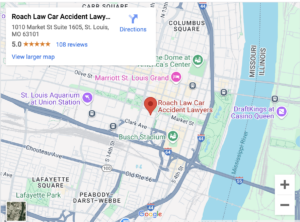
Roach Law Car Accident Lawyers – St. Louis Office
1010 Market Street, Suite 1605
St. Louis, Missouri
(636) 519-0085
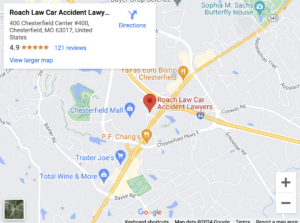
Roach Law Car Accident Lawyers – Chesterfield Office
400 Chesterfield Center Suite 600
Chesterfield, MO 63017
(636) 999-9587
Roach Law Car Accident Lawyers – Creve Coeur Office
11628 Old Ballas Rd, Suite 320
Creve Coeur, MO 63141
(314) 557-2869
Roach Law Car Accident Lawyers – Clayton Office
7733 Forsyth Blvd, Suite 1100
Clayton, MO 63105
(314) 804-4569